Deep inside a forest near Watamu lies one of Kenya’s most mysterious treasures, the Gedi Ruins. If Indiana Jones ever visited Kenya, this would be his first stop. Imagine crumbling stone walls covered in vines, narrow alleyways that whisper secrets, and ancient wells that seem to stare back at you. Welcome to Gedi, a real-life lost city hiding in plain sight.
Walking through Gedi feels a bit like stepping into another world. It is peaceful, haunting, and oddly beautiful. The ruins are surrounded by thick forest, where monkeys leap from branch to branch as if they are the unofficial tour guides. The air smells earthy and old, and every stone seems to hold a story.
A Bit of History for the Curious

Gedi is believed to have been built in the 12th century and abandoned in the 17th century. No one knows exactly why the residents left. Some say it was pirates, others say disease or drought. Whatever the reason, the city vanished quietly, leaving behind clues that still puzzle historians.
Archaeologists have found Chinese porcelain, Venetian glass, and Arabic artefacts here, proof that Gedi was once a bustling trading town. Imagine a thriving coastal community, people dressed in flowing Swahili robes, merchants selling spices, and the sound of the ocean in the background. Then imagine it all suddenly fading away. That mystery is what makes Gedi unforgettable.
What to Expect When You Visit

The Gedi Ruins sit inside the Arabuko Sokoke Forest, about twenty minutes from Watamu. The drive alone is an adventure, with the forest canopy creating a cool, green tunnel. At the gate, a friendly guide will usually appear with a big smile and even bigger knowledge of Gedi’s past.
As you wander through the ruins, you will see the remains of houses, mosques, and a palace. The ancient coral-stone walls have stood for hundreds of years, their carvings still visible. Some paths lead to wells that once provided water for the residents. Others lead to open courtyards where children probably played centuries ago.
If you stay quiet, you can almost hear the echo of their laughter blending with the forest sounds. It is both eerie and fascinating.
Meet the Locals (of the Non-Human Kind)
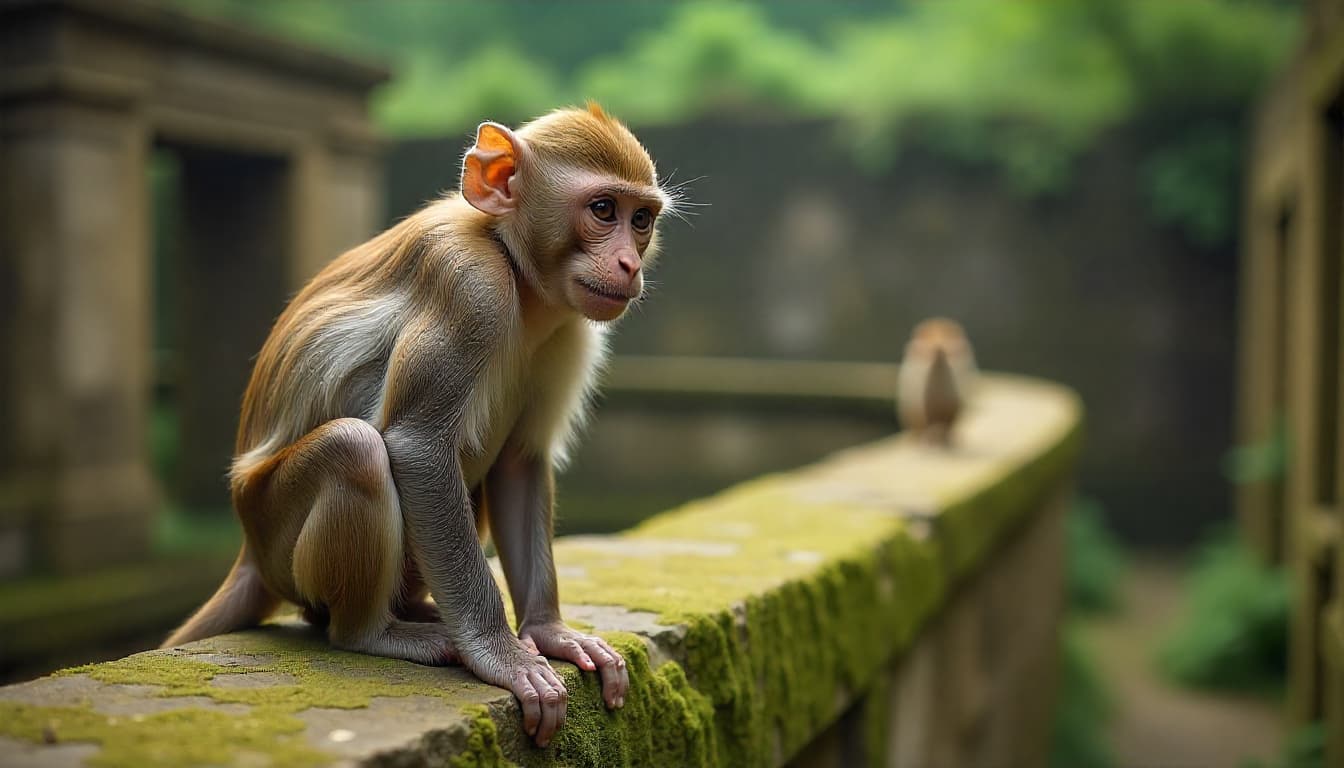
Gedi is not only about ruins. The forest surrounding it is alive with monkeys, butterflies, and colourful birds. Syke’s monkeys are the most mischievous; they often hang around the ruins waiting for a snack or a photo opportunity. If you carry food, prepare to share.
Bird lovers will adore this place. The Arabuko Sokoke Forest is home to rare species, including the Sokoke scops owl and the golden-rumped elephant shrew. Yes, that is a real animal, and yes, it is as odd and adorable as it sounds.
Why Gedi Should Be on Your Travel List

Unlike many tourist spots that feel crowded, Gedi offers quiet wonder. It is perfect for anyone who enjoys history, mystery, and a touch of adventure. The site is small enough to explore in a couple of hours but rich enough to stay in your memory for years.
Bring a hat, comfortable shoes, and curiosity. The ruins have a way of pulling you in. Each archway, each crumbled wall, tells a different story. It is easy to imagine what life might have been like centuries ago when the city was alive with music, trade, and laughter.
A Final Thought
Gedi may be silent now, but its silence speaks volumes. It reminds us that even the greatest civilisations can vanish, leaving only footprints in the sand and whispers in the trees. If you ever find yourself on Kenya’s coast, take a detour into the forest and visit this lost city. You might not find treasure, but you will definitely leave richer in stories.