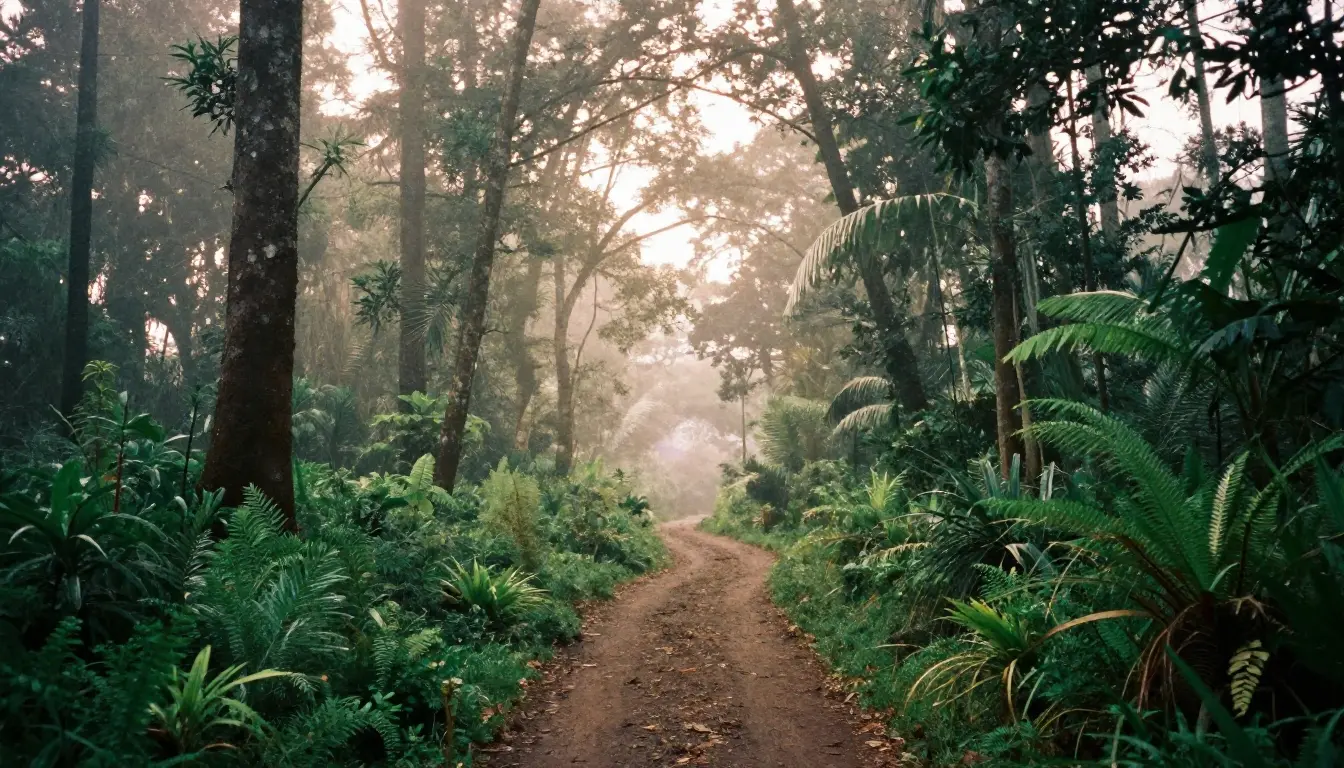
Imagine a lump of stone so soft you could scratch it with your fingernail, yet so rich in history and artistry that it has been carved for centuries into objects admired worldwide. Welcome to Kisii County in western Kenya, home of the world-famous Kisii soapstone art. This is not just about chiselling rocks into shapes, it is about chiselling culture, tradition, and humour into every piece.
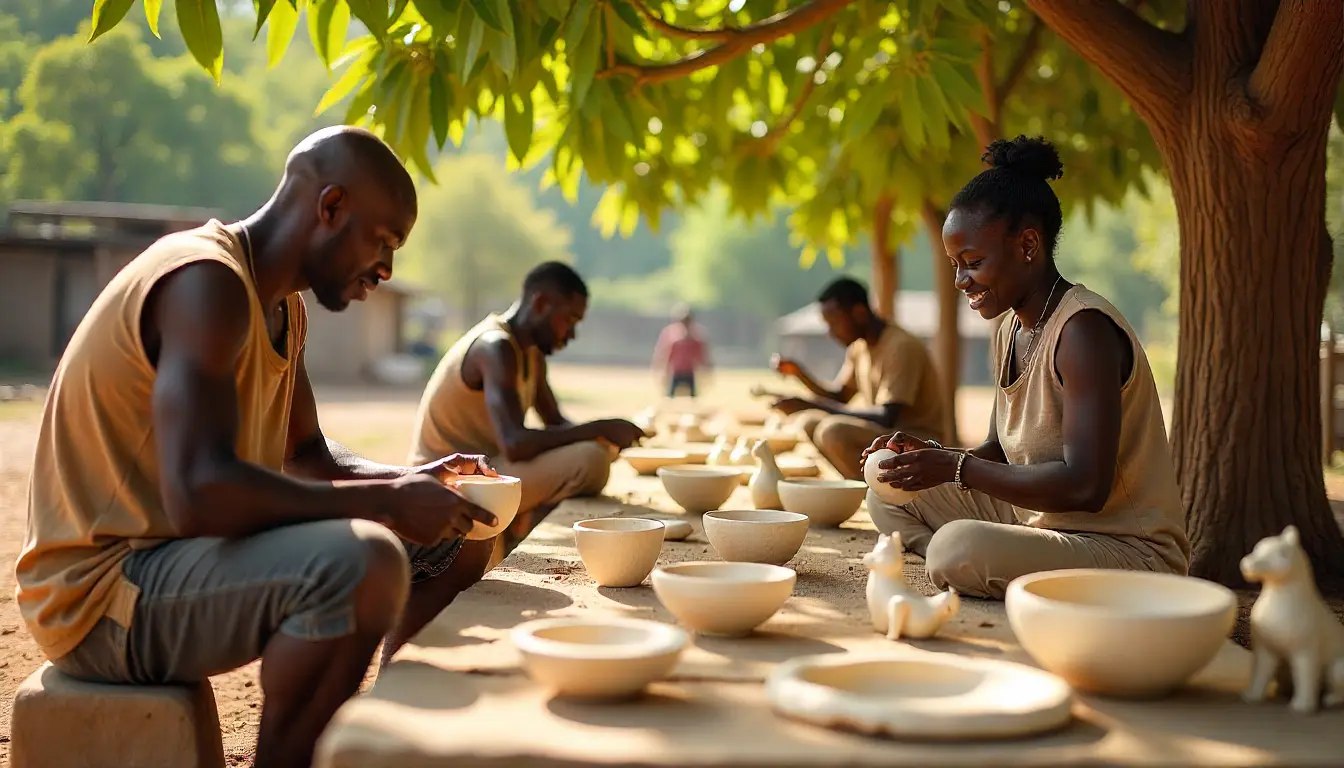
Soapstone carving in Kisii is a family affair, with knowledge passed down through generations. You will find artisans sitting under mango trees, shaping this creamy, chalk-like rock into elegant bowls, smooth animal figurines, or even cheeky decorative pieces that could give your living room more personality than your cat. It is art with character, sculpted from the hills of Tabaka, the epicentre of this timeless craft.
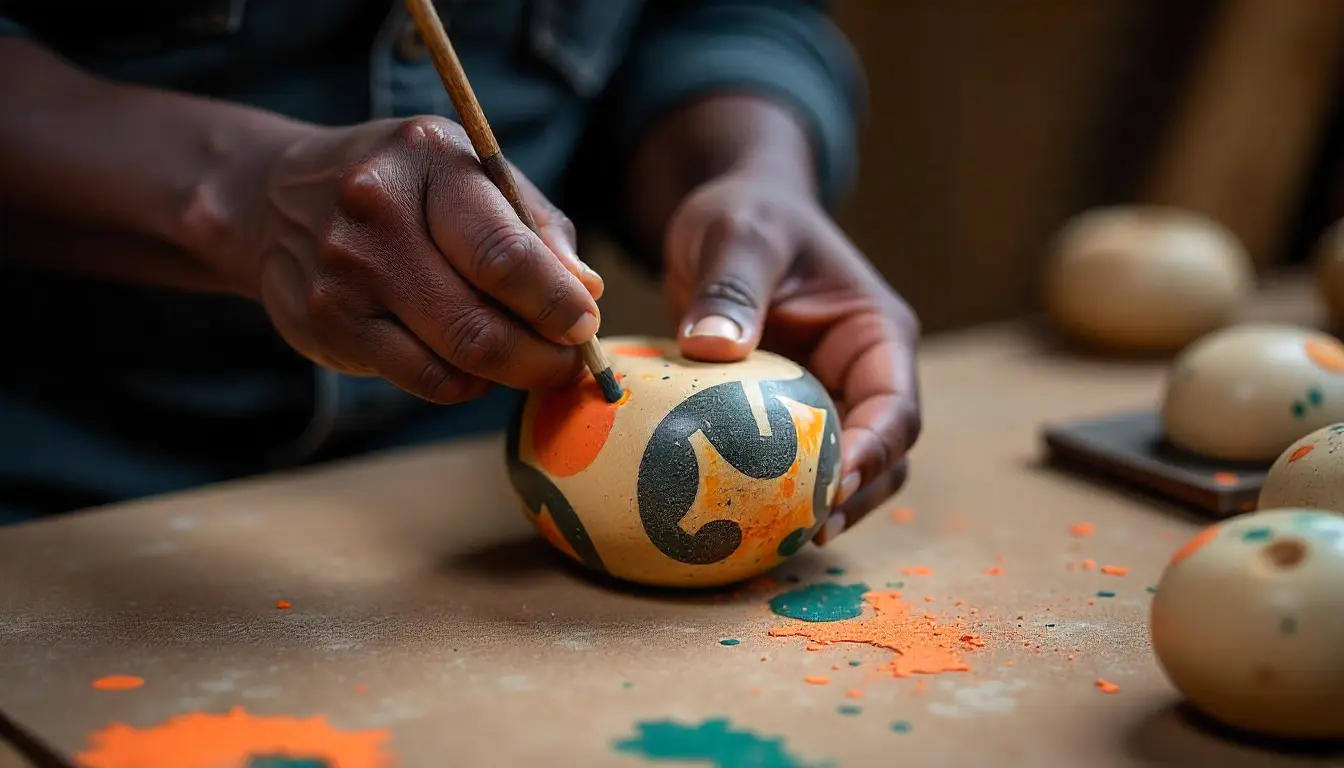
What makes Kisii soapstone stand out is its versatility. It begins as raw, powdery stone dug carefully from quarries. Once in the hands of an artisan, it undergoes cutting, shaping, smoothing, and polishing. Then come the vibrant dyes and paints, transforming the humble grey stone into colourful masterpieces. Think of it as a glow-up—except instead of hair dye and make-up, it’s sandpaper and natural pigments.
But this is not just about home décor. Buying Kisii soapstone supports entire communities. These artisans rely on their craft not just to pay school fees but to keep traditions alive. In a world obsessed with mass-produced factory items, each soapstone carving reminds us that handmade still has soul. It is a piece of Kenya’s cultural heritage that you can hold in your hands, making it both a travel souvenir and a story worth telling.
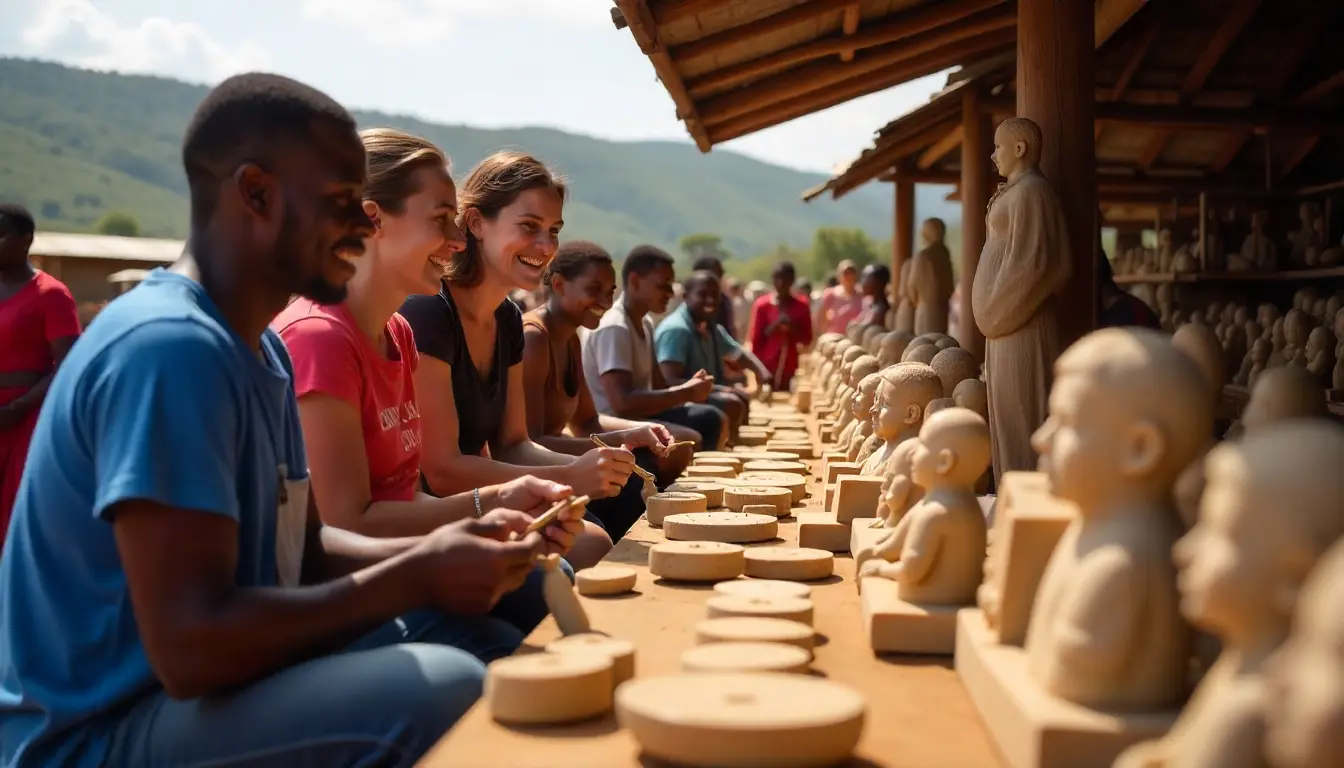
If you ever find yourself in Kisii, visit Tabaka and watch the magic unfold. You will see stone turn into art before your eyes, meet the carvers whose laughter fills the air, and maybe even try carving for yourself. Be warned, though, it looks easier than it is—you might walk away with something that resembles a potato rather than an elephant. But hey, that is part of the fun.
So, whether you are a collector, a curious traveller, or just someone tired of soulless coffee-table decorations, Kisii soapstone art delivers beauty, history, and humour in equal measure. It is culture, carved in stone.